Cracks in stucco are common—especially in older Philadelphia homes. However, the real question isn’t “Is there a crack?” It’s “Is water getting behind the stucco?” Because once moisture is trapped, damage spreads to the substrate, framing, and interior walls.
This guide helps homeowners understand the difference between normal cracking and warning signs that require professional stucco repair in Philadelphia or moisture remediation.
Crack Types: What They Usually Mean
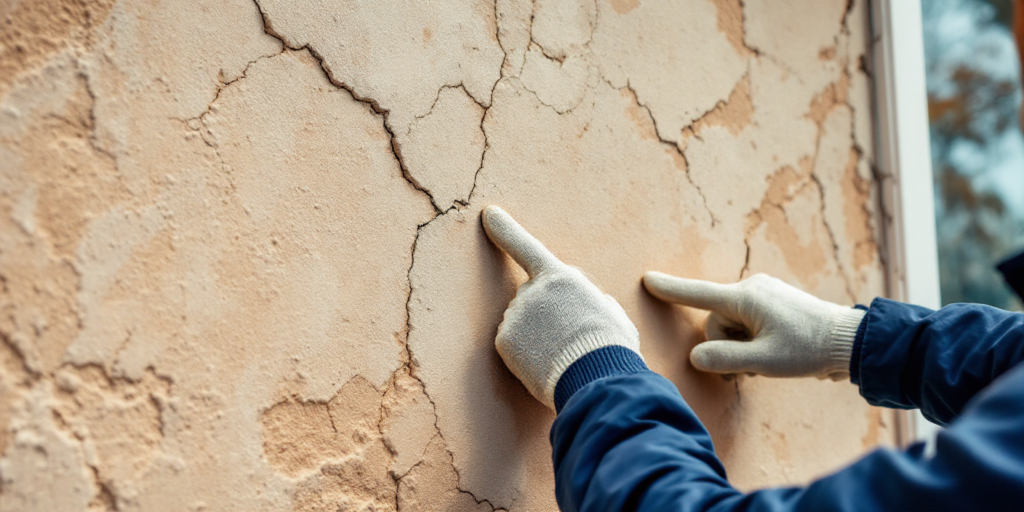
Hairline “spider” cracks (often cosmetic)
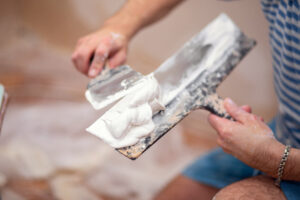
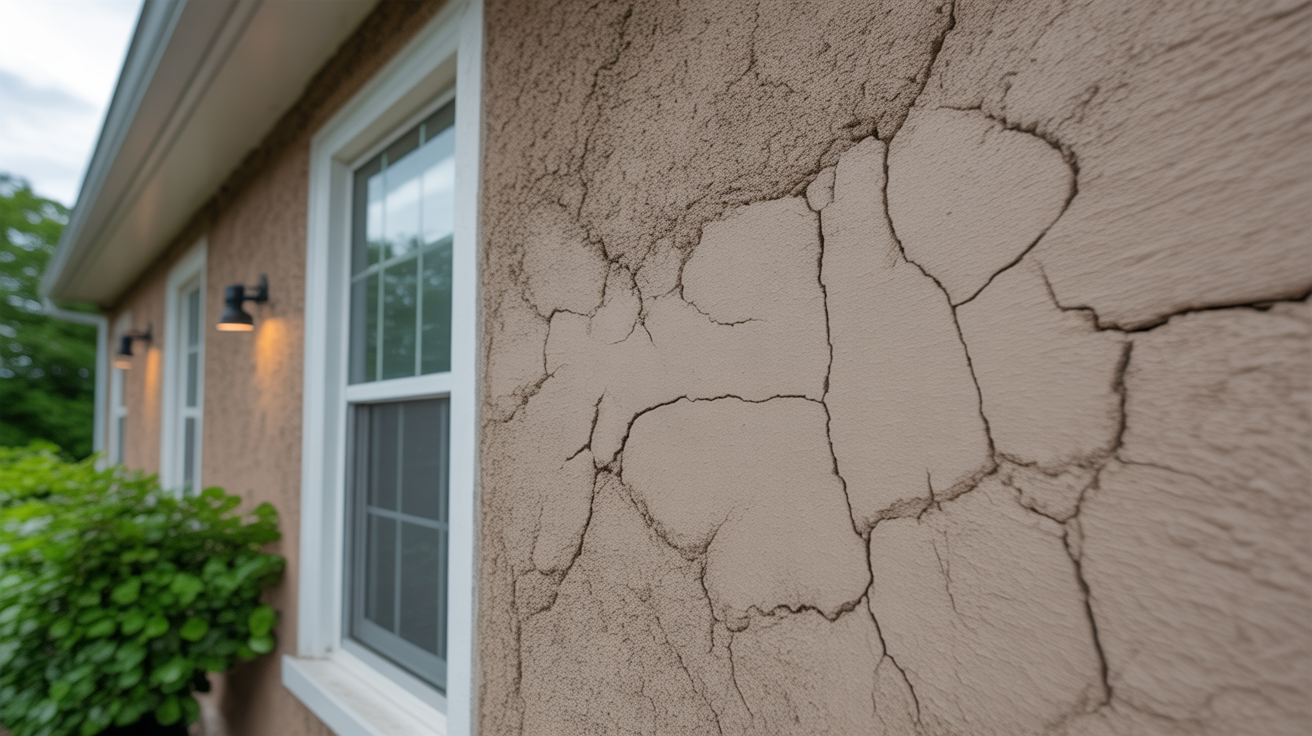
These are thin, web-like cracks in the finish coat. They can happen from minor movement, temperature changes, or aging. Typically, these can be repaired with proper patching, elastomeric coating, and sealing. Still, you should confirm there’s no moisture behind them.
Diagonal cracks from window corners (watch closely)
Cracks that radiate from window or door corners often signal movement. Sometimes it’s normal settling, but it can also indicate poor flashing, failing lintels, or moisture-driven expansion. So, check for staining, soft spots, or bubbling paint inside.
Horizontal cracks or “seam” cracks (higher risk)
Horizontal cracks can indicate delamination, improper lath fastening, or substrate problems. If the stucco sounds hollow when tapped, it may be separating. In that case, patching alone may not hold.
Staining, bubbling, or soft areas (moisture intrusion)
If you see discoloration, algae growth, blistering, or soft stucco, moisture is likely behind the system. As a result, you may need targeted removal, drying, and rebuild—plus corrected flashing details.
The #1 cause of stucco failure: transitions and flashing
Many failures aren’t the stucco itself—they’re the details around it. Therefore, inspect:
- window head flashing
- kick-out flashing where roofs meet walls
- penetrations (spigots, lights, vents)
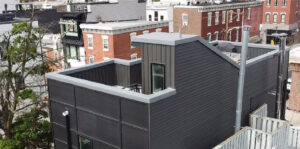
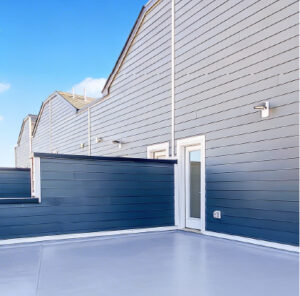
- parapet caps and coping
If these aren’t right, water will keep returning.
Repair vs remediation: what’s “right” for your home?
- Repair is best for stable, cosmetic cracking with no moisture.
- Remediation is needed when moisture is trapped or the stucco system is failing.
- Waterproofing is essential after repair/remediation to prevent repeat issues.
Service areas: South Philly, Center City, Northern Liberties, West Philly
stucco repair Philadelphia, stucco remediation, EIFS repair, stucco waterproofing/stucco-repair-philadelphia/ or /stucco-remediation-philadelphia/
Trusted outbound link: EPA lead-safe renovation info (important for older homes): https://www.epa.gov/lead/lead-renovation-repair-and-painting-program
If your stucco has staining, soft spots, or recurring cracks, contact Philadelphia Stucco Experts for an inspection-first plan and long-term protection.