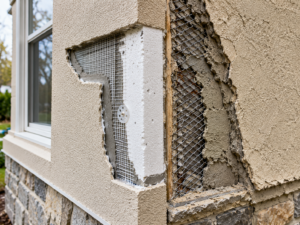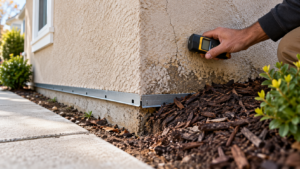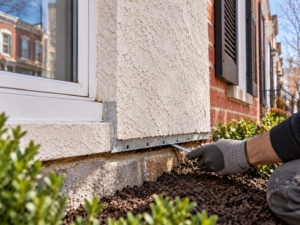


Water is the single most destructive force your property will face. It can exploit a microscopic crack in your foundation or a separated flashing seal, migrating inward for months before finally presenting as a massive interior damp spot or a flooded basement. By the time you notice a musty odor or peeling drywall, the structural damage behind your walls is already severe. Investing in highly technical, advanced exterior waterproofing stops these silent threats right at the soil line, blocking hydrostatic pressure before it ever touches your interior framing.
Building a Bulletproof Barrier on the Outside
While interior drainage systems are excellent safety nets, the most effective way to stop a foundation leak is to prevent the water from entering the concrete in the first place. This requires specialized exterior excavation. Our crews carefully expose the buried foundation wall down to the footer. We grind the concrete smooth, seal all structural cracks with hydraulic cement, and apply a thick, commercial-grade elastomeric waterproofing membrane directly to the exterior masonry. This rubberized coating bridges shifting cracks and creates an impenetrable barrier that forces groundwater to drop harmlessly into your exterior drainage system.
Permitting for Deep Foundation and Drainage Work
Excavating soil along an urban property line to waterproof a foundation frequently requires moving heavy dirt, securing shared party walls, and connecting newly laid French drains to municipal storm systems. Homeowners planning structural repairs, renovations, or major remodeling work can review Philadelphia’s building and repair permit guidance through the City of Philadelphia to ensure all deep-trenching, foundation sealing, and exterior drainage modifications align perfectly with rigid local structural codes.
High-Performance Moisture Control Solutions
We focus on long-lasting, heavy-duty applications that insulate your property from rising water tables:
- Complete below-grade foundation excavation and elastomeric membrane sealing.
- Installation of exterior French drains and heavy-duty dimple board systems.
- Structural crack injection packing from the positive (exterior) side of the wall.
- Facade waterproofing utilizing clear, breathable masonry sealants.
Communities We Secure Against Water Damage
Our envelope restoration and waterproofing teams deploy daily to protect structures within:
- Center City
- Manayunk
- Kensington
- Port Richmond
Frequently Asked Questions
What is “hydrostatic pressure”?
Hydrostatic pressure is the immense weight of water-saturated soil pushing against your foundation walls. During heavy rain, this pressure forces groundwater through the microscopic pores and mortar joints of your concrete or brick foundation.
Is exterior waterproofing better than interior basement waterproofing?
Both are highly effective, but they serve different purposes. Exterior waterproofing stops the water before it enters the wall, protecting the masonry itself from degrading. Interior waterproofing catches the water after it enters the wall and pumps it out.
Why is my foundation wall covered in white, powdery crystals?
That white powder is efflorescence. It occurs when groundwater passes completely through your porous concrete or brick wall, dissolving natural salt minerals along the way, which are left behind on the surface as the water evaporates into your basement.