

Matching Stucco Textures When Patching an Old Wall is a practical planning question for property owners in Philadelphia. The right approach depends on the existing conditions, the way the space or system is used, and how the proposed work interacts with surrounding materials. Understanding those details early helps prevent a cosmetic decision from creating a larger construction, maintenance, or code problem later. That review should happen before demolition, fabrication, or installation begins.
Texture Comes from Material and Technique
Sand, dash, lace, float, and other finishes reflect aggregate size, mix consistency, tool motion, timing, and applicator technique. Matching only the color will not hide a patch if the shadows and grain differ. Existing texture should be studied in both direct and raking light before a repair sample is approved.
Prepare a Sound and Compatible Base
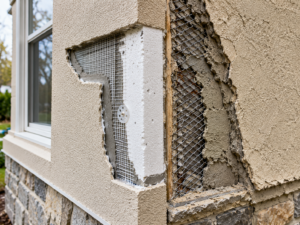
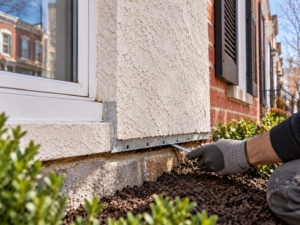
Texture cannot compensate for unstable edges, incorrect coat thickness, or incompatible materials. Loose stucco should be removed to sound boundaries, reinforcement restored where needed, and the base brought to the correct plane. The finish coat then needs enough area for the applicator to reproduce the surrounding pattern naturally.
Use Mock-ups Before Committing
A sample panel or discreet test area allows the contractor to adjust aggregate, tool pressure, pattern density, and color. It should dry fully because wet stucco can look significantly different. Viewing the sample from normal street distance is as important as inspecting it closely.
Choose a Logical Repair Boundary
Even a skilled texture match may remain visible because the original wall has aged and weathered. Extending a finish or coating to a corner, joint, trim line, or other natural break can reduce the patchwork appearance. The owner should understand whether the goal is a localized functional repair or a broader uniform finish.
Questions to Resolve Before Work Begins
Before work begins, document the existing condition and confirm which decisions require a licensed trade, design professional, permit, inspection, or manufacturer review. Ask how the proposed work connects to adjacent materials and building systems, which areas need temporary protection, and what access must remain after completion. A clear written scope should also explain how concealed conditions, substitutions, schedule changes, cleanup, and final testing will be handled. Keep product instructions, approved drawings, inspection records, photographs, and final selections together with the property documents. These records help future owners and service professionals understand what is behind finished surfaces and which maintenance practices are appropriate for the completed work.
Planning the Next Step
Property owners should compare the visible condition with the broader assembly, confirm any permit or manufacturer requirements that apply, and document the proposed scope before materials are ordered. Guidance from Portland Cement Association can help frame the technical questions, while an on-site evaluation determines what is appropriate for the individual property. Contact Philadelphia Stucco Experts to discuss the visible condition, the wall assembly, and an appropriate approach to stucco or exterior wall repair.
Learn more about exterior wall repair.