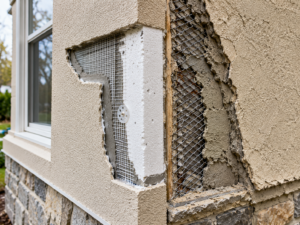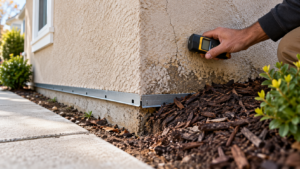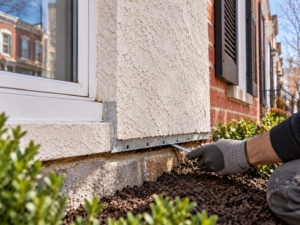


Seasonal freeze-thaw cycles, driving rain, and urban humidity present ongoing challenges for exterior masonry and plaster facades across Northern Liberties, Fishtown, South Philadelphia, and West Philadelphia. Cementitious stucco is naturally porous; as it absorbs rain, trapped moisture expands during winter freezing spells, turning micro-fractures into wider structural cracks.
Implementing a comprehensive waterproofing and crack containment strategy protects the building envelope, prevents interior leaks, and transforms aged exterior walls into clean, durable surfaces.
The Science of Stucco Moisture Protection: Sealers vs. Breathable Elastomeric Coatings
Protecting exterior plaster walls requires selecting coatings engineered specifically for cementitious surfaces. Applying non-breathable acrylic or standard latex house paint seals surface pores, trapping indoor water vapor inside the wall matrix and causing the paint layer to bubble and peel within seasons.
+—————————————————————–+
| BREATHABLE WATERPROOFING MATRIX |
| |
| Exterior Rain ======> [Breathable Membrane] |
| || |
| Internal Vapor <====== [Allows Vapor Escape] |
+—————————————————————–+
Modern waterproofing systems use breathable elastomeric coatings and silane-siloxane penetrating sealers:
- Penetrating Silane-Siloxane Sealers: These clear chemical treatments sink deep into plaster pores without altering wall color or surface appearance. They form a hydrophobic barrier that repels liquid water while allowing indoor moisture vapor to escape freely.
- Breathable Elastomeric Waterproof Coatings: Ideal for restored or aged stucco facades, elastomeric coatings form a thick, flexible membrane across exterior walls. Capable of stretching up to 300% without tearing, these coatings bridge hairline cracks as walls expand and contract during temperature changes.
According to precipitation logs from the National Weather Service: Philadelphia Climate Data and Precipitation Summaries → https://www.weather.gov/phi/ , Philadelphia experiences substantial annual precipitation and frequent winter temperature swings around freezing, making surface waterproofing critical for exterior wall durability.
The Transformation Process: Prep Work to Final Seal
Achieving a durable waterproof finish requires thorough surface preparation. Simply coating over dirty or unsealed cracks results in premature finish failure.
+—————————————————————–+
| FAÇADE WATERPROOFING WORKFLOW |
| |
| [1. Low-Pressure Washing] –> [2. Crack V-Grooving & Filling] |
| | |
| [4. Elastomeric Finish] <– [3. Alkali-Resistant Primer] |
+—————————————————————–+
A complete exterior wall renewal follows a structured technical workflow:
- Substrate Washing: Removing environmental pollutants, dirt, efflorescence salts, and loose paint using low-pressure washing treatments combined with eco-friendly masonry cleaners.
- Crack Chasing and Elastomeric Filling: Hairline cracks are cleaned out, while cracks wider than 1/16 inch are chased into a V-groove profile and sealed with flexible, high-grade polyurethane or elastomeric masonry caulking.
- Alkali-Resistant Primer Application: Applying a masonry primer neutralizes surface pH levels and ensures strong adhesion between raw stucco render and topcoat membranes.
- Dual Coat Application: Applying two coats of breathable elastomeric finish coating creates a seamless, weather-resistant outer layer across the entire wall.
Homeowners planning facade maintenance can explore advanced stucco waterproofing protection to safeguard structural masonry against wind-driven precipitation.
Frequently Asked Questions
How often should stucco facades in Philadelphia be re-waterproofed?
High-performance breathable elastomeric coatings typically provide reliable weather protection for 10 to 12 years. Clear penetrating silane-siloxane treatments generally require reapplication every 5 to 7 years depending on sun and wind exposure.
Will waterproofing hide existing structural cracks on my exterior wall?
Flexible elastomeric coatings effectively bridge non-structural hairline cracks. However, active structural cracks caused by foundation movement require structural stabilization before applying elastomeric coatings.
Can elastomeric coatings be applied over freshly repaired stucco?
Fresh stucco plaster must cure for 28 days to lower its pH and allow moisture to hydrate fully before applying primer and elastomeric topcoats.
Does waterproofing change the color or texture of my home’s stucco?
Penetrating sealers leave surface color and texture completely unaltered. Elastomeric coatings are available in custom shades, offering an opportunity to refresh or update exterior home colors while adding durable moisture protection.
Elevate and Protect Your Home’s Exterior Facade
A comprehensive waterproofing and crack repair strategy shields your home against harsh weather while enhancing curb appeal in Northern Liberties, Fishtown, and South Philadelphia neighborhoods. Eliminating dampness and sealing exterior plaster ensures long-term envelope reliability.