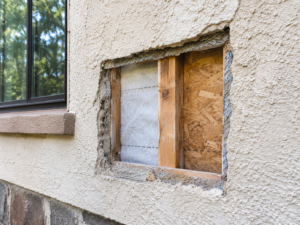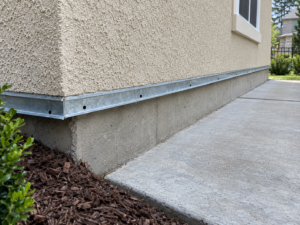


Cracks in stucco are not always a sign of failure. However, many random cracks happen because stucco control joints were left out.
We see this often on homes in Chester County, Bucks County and the Main Line.
Why Stucco Cracks
Stucco moves with heat, cold and framing shifts.
- Large panels with no relief.
- Corners of windows and doors.
- Floor lines where framing shrinks.
How Stucco Control Joints Work
Joints give the wall a planned place to move. Therefore, cracks stay in the joint.
- Panels kept to a reasonable size.
- Joints aligned with openings.
- Lath cut behind each joint.
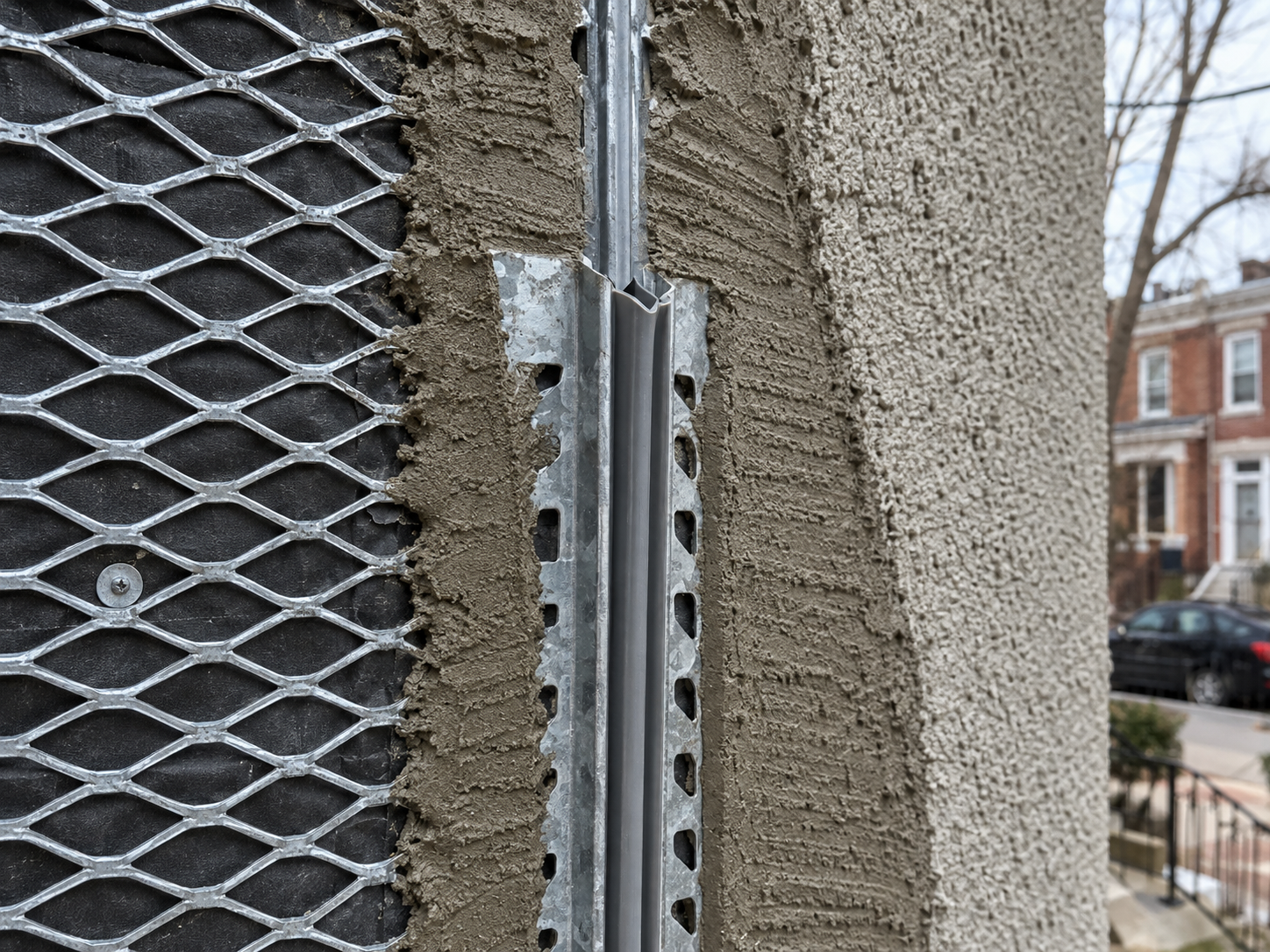
The ASTM C1063 standard covers lath and accessory installation for stucco.
Repairing Walls Without Joints
Fixes depend on moisture behind the wall.
- Moisture testing first.
- Adding joints during re-stucco.
- Sealing hairline cracks with care.
Frequently Asked Questions
Are hairline cracks normal? Some are, but they should be monitored.
Can joints be added later? Yes, during repair or re-stucco.
Do joints leak? Not when installed and sealed correctly.
Get a Stucco Crack Inspection
Philadelphia Stucco Experts repairs and remediates stucco. Explore our stucco services, see a residential project, or contact our team.