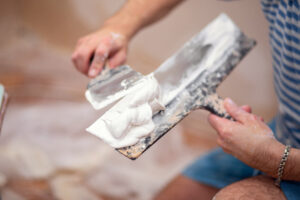
Searching stucco repair Philadelphia or stucco repair near me? Not every crack is a disaster—but some are warnings. The key is identifying whether water can travel behind the system through failed transitions and sealant lines.
When a crack is mostly cosmetic
- Hairline cracks with no staining
- Stable cracks that don’t widen season to season
- No soft spots or bubbling nearby
When a crack signals moisture risk
- Cracks near windows, rooflines, or parapets
- Staining, bubbling, or paint failure around the area
- Softness when gently pressed
- Repeating “patch and crack again” cycles
What a real stucco repair addresses
- Sealant lines and transitions
- Flashing integration (where applicable)
- Texture matching for uniform finish
- Waterproofing improvements to stop repeat failures
FAQ
Can you match stucco texture and color? Yes—finish quality matters.
Do you handle moisture behind stucco? Yes—inspection and remediation options.
Conclusion
Stucco repairs should stop water movement—not just hide cracks. Winter is the best time to spot real risk.