
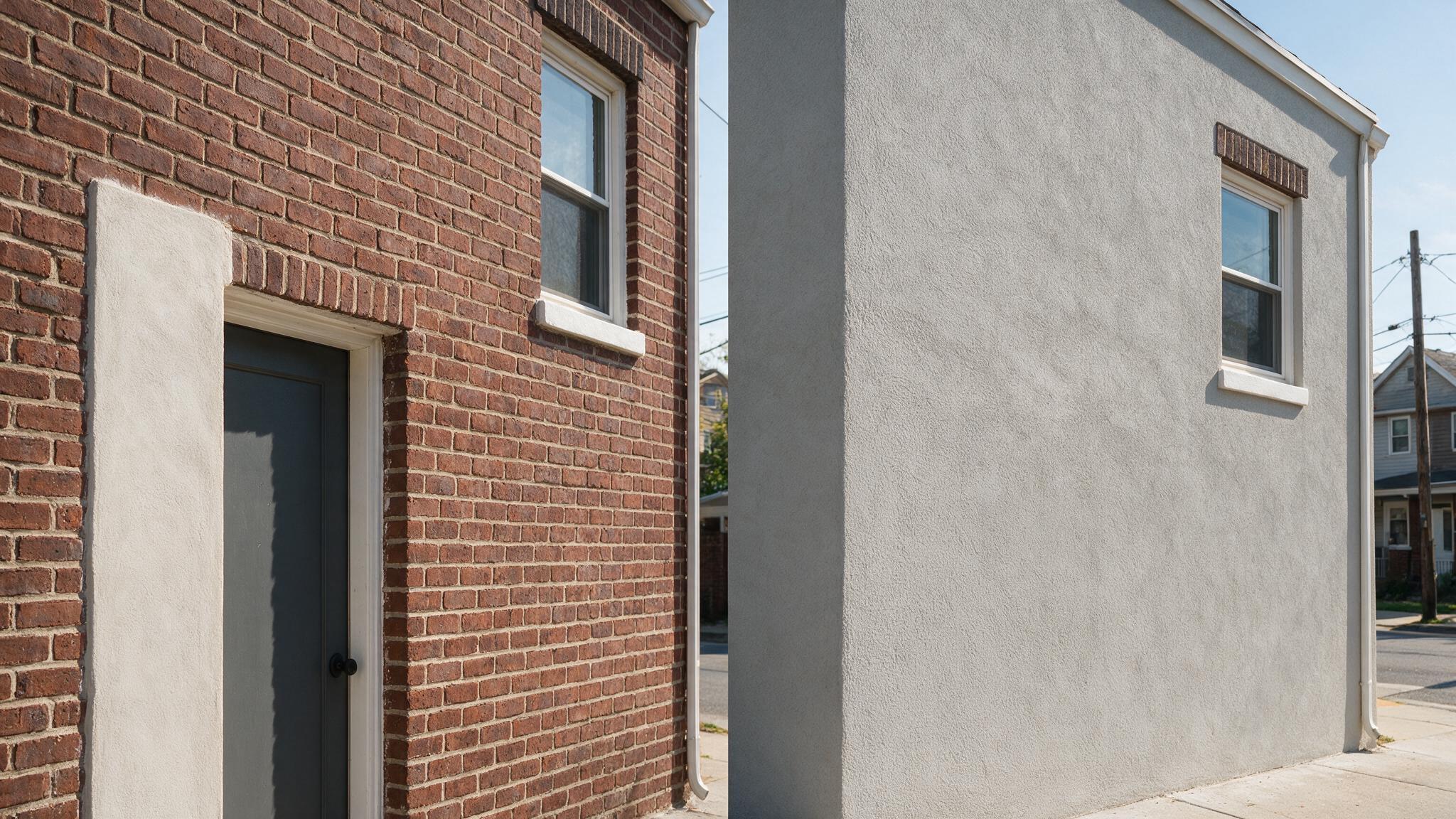
Homeowners and property managers searching for stucco over brick Philadelphia are usually trying to make a project decision, not collect generic ideas. In Point Breeze, the best answer starts with the actual building conditions and the way the system has to perform after the work is complete. Existing brick can be a suitable substrate only when its condition, coatings, mortar, moisture behavior, and surface profile are understood before a new stucco system is chosen.
Start With the Existing Condition
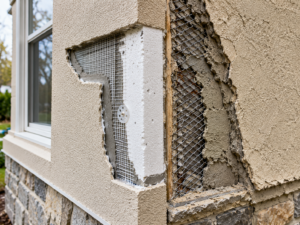
Some assemblies rely on a prepared direct bond, while others use lath and layered plaster; the correct approach depends on substrate and system requirements rather than appearance alone. Before pricing or demolition is finalized, document dimensions, access, adjacent conditions, and any signs that the existing work has already been altered. That gives the contractor a reliable baseline and helps separate a focused repair from a scope that needs broader correction. In older Philadelphia-area and South Jersey properties, this step is especially important because previous work may not match current products, drawings, or assumptions.
Plan the Work Before Finishes
Painted brick, weak mortar, salts, movement cracks, and chronic moisture can interfere with adhesion or trap problems behind a new finish. Small conflicts become expensive when one trade covers another trade’s work or when a finish is fabricated before rough dimensions are verified. The project plan should therefore identify who owns each transition, what must remain accessible, and which decisions depend on field measurements. Material selections should follow those constraints rather than forcing the building to fit a product that was chosen too early.
Build the Scope Around the Real Condition
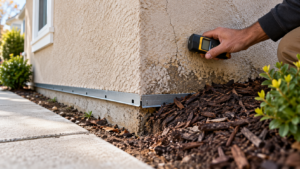
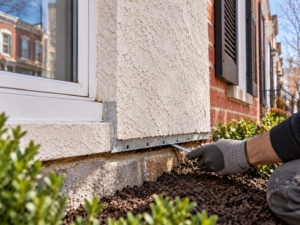
Openings, wall bases, parapets, roof intersections, and transitions to other claddings need flashing and termination details that are coordinated with the selected stucco assembly. Durability comes from solving the cause, building the layers in the correct order, and leaving the finished system maintainable. Homeowners in Point Breeze should be cautious of a cosmetic fix when movement, moisture, structural weakness, or service access suggests a deeper condition. The right scope may be localized, but that decision should follow inspection rather than guesswork.
What This Means for Local Property Owners
For someone comparing options for stucco over brick Philadelphia, the useful question is not simply which product looks best. The stronger question is which scope fits the actual property, protects the surrounding work, and can be serviced later without unnecessary demolition. Related searches such as stucco installation over masonry Philly and lath over brick stucco Philadelphia often point to the same need: accurate diagnosis first, then a coordinated plan that matches the building and the intended use.
Frequently Asked Questions
Can stucco be applied directly over painted brick?
Not reliably without a system specifically designed and prepared for that condition; coatings can interfere with bond.
Is lath always required over brick?
No. The appropriate assembly depends on substrate condition, product/system design, and project requirements.
Should cracked brick be repaired before stucco?
Yes. Structural or moisture-related masonry problems should be understood and corrected before they are concealed by a new finish.
Plan the Next Step
If you are planning stucco over brick Philadelphia in Point Breeze, Philadelphia Stucco Experts can help evaluate the existing conditions, define a practical scope, and coordinate the work around long-term performance. Learn more about Stucco Installation & Repair at https://philadelphiastuccoexperts.com/services-2/ and schedule a project consultation before materials, demolition, or finish selections are finalized.
Helpful homeowner resource: National Park Service – Preservation Brief 22: Stucco