Stucco issues are rarely “just cosmetic,” especially on Philadelphia rowhomes where sealant lines, flashing, and transitions decide whether water stays out. In winter, cracks widen, caulk separates, and freeze/thaw cycles push moisture deeper. So, stucco repair Philadelphia should be handled early—before bubbling and staining appear.
Why cracks grow in cold weather
Temperature swings cause expansion and contraction. As a result:
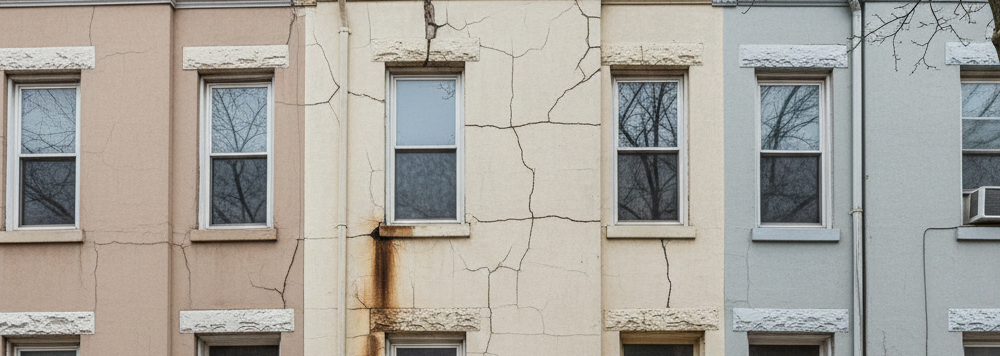
- Hairline cracks can open wider
- Sealant joints can pull away
- Water can find pathways behind the stucco
What a durable stucco repair includes
A real repair focuses on the system:
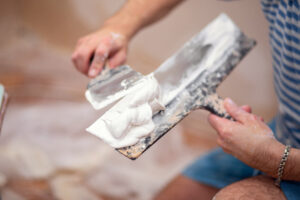
- Proper prep (cleaning and removal of failing material)
- Compatible patch materials and reinforcement where needed
- Correct sealing at penetrations and transitions
- Finish matching that keeps the facade consistent
Waterproofing is often the missing step
Many repairs fail because they stop at “patch.” Therefore, we also address:
- Flashing weaknesses at roof/wall lines
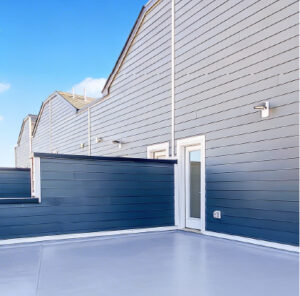
- Window and door perimeter details
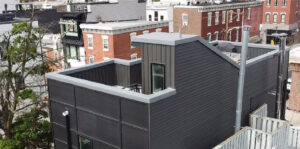
- Parapet and coping conditions
Because of that, the repair doesn’t just look better—it performs better.
FAQs
Is it okay to repair stucco in winter? Often yes, depending on temperatures and materials used.
Why is my stucco bubbling? Moisture behind the system is common.
Do you do inspections? Yes, to trace moisture pathways before repairs.