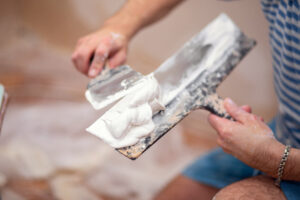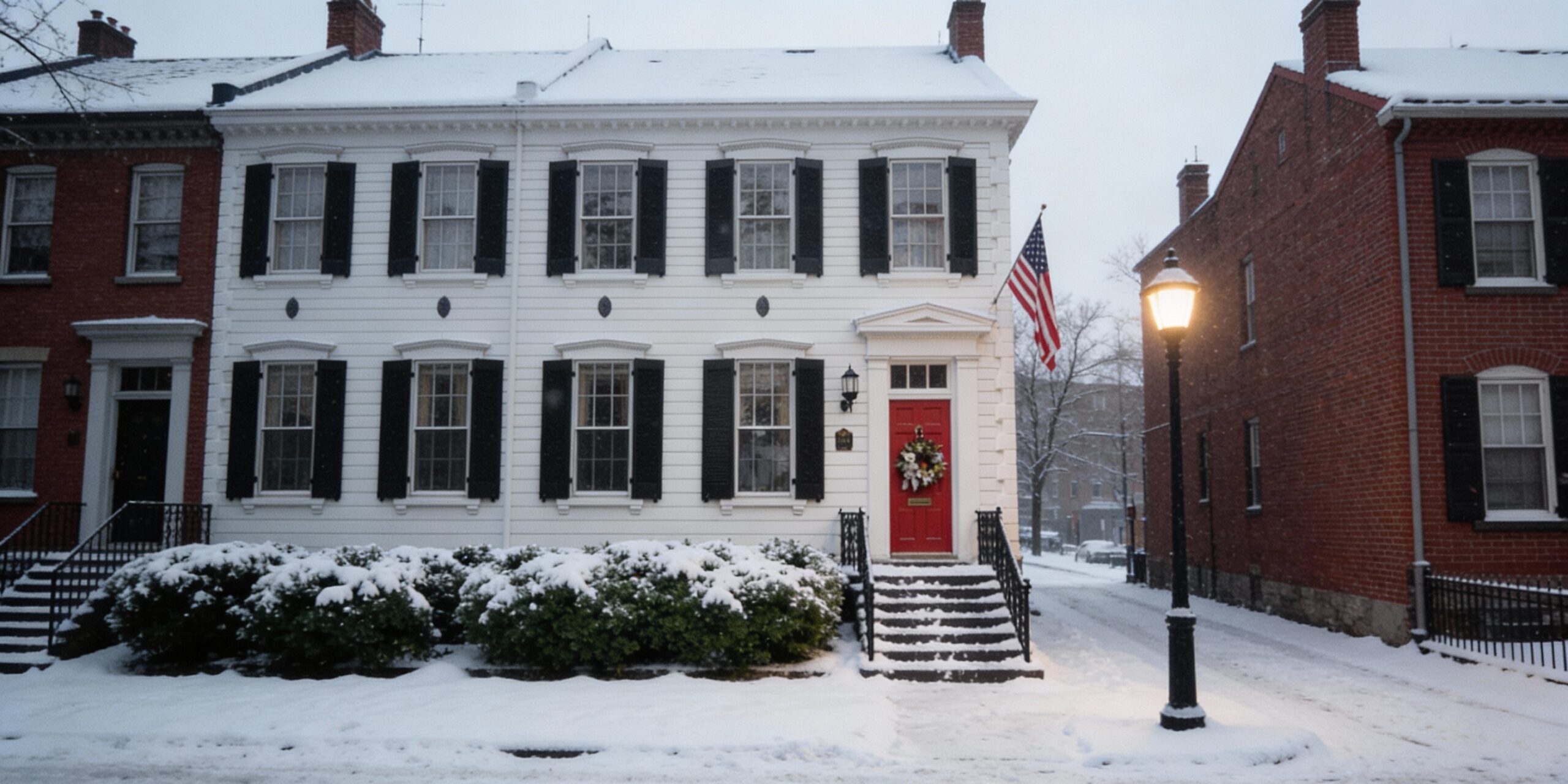
Stucco issues are rarely “just cosmetic,” especially on Philadelphia rowhomes where transitions, sealant lines, and flashing details make or break the system. Winter makes failures obvious: cracks widen, sealants separate, and moisture can travel behind the stucco until bubbling or staining appears.
At Philadelphia Stucco Experts, we treat stucco repair as a moisture-control job first—then a finish job.
The common winter stucco warning signs
- hairline cracks growing into visible lines
- soft spots or slight bulges
- staining near windows and sills
- recurring sealant failures at transitions
- peeling paint around stucco edges (often moisture-related)
The detail work that stops repeat damage
Real stucco repair often involves:
- correct crack prep (not just surface filling)
- sealant line corrections at openings
- transition detailing where stucco meets brick/trim
- remediation where water compromised the assembly
- waterproofing strategy where needed
Why “patch and paint” is risky
If moisture is still moving behind the wall, a patch can look fine and still fail again. The fix must address how water is entering and where it’s being trapped.