Stucco problems are rarely “just cosmetic.” In Philadelphia, winter temperature swings widen cracks, break down sealant lines, and make moisture travel behind the system. If you’re searching stucco repair near me in Philadelphia, the goal isn’t a quick patch—it’s stopping water movement and fixing the details that caused the failure.
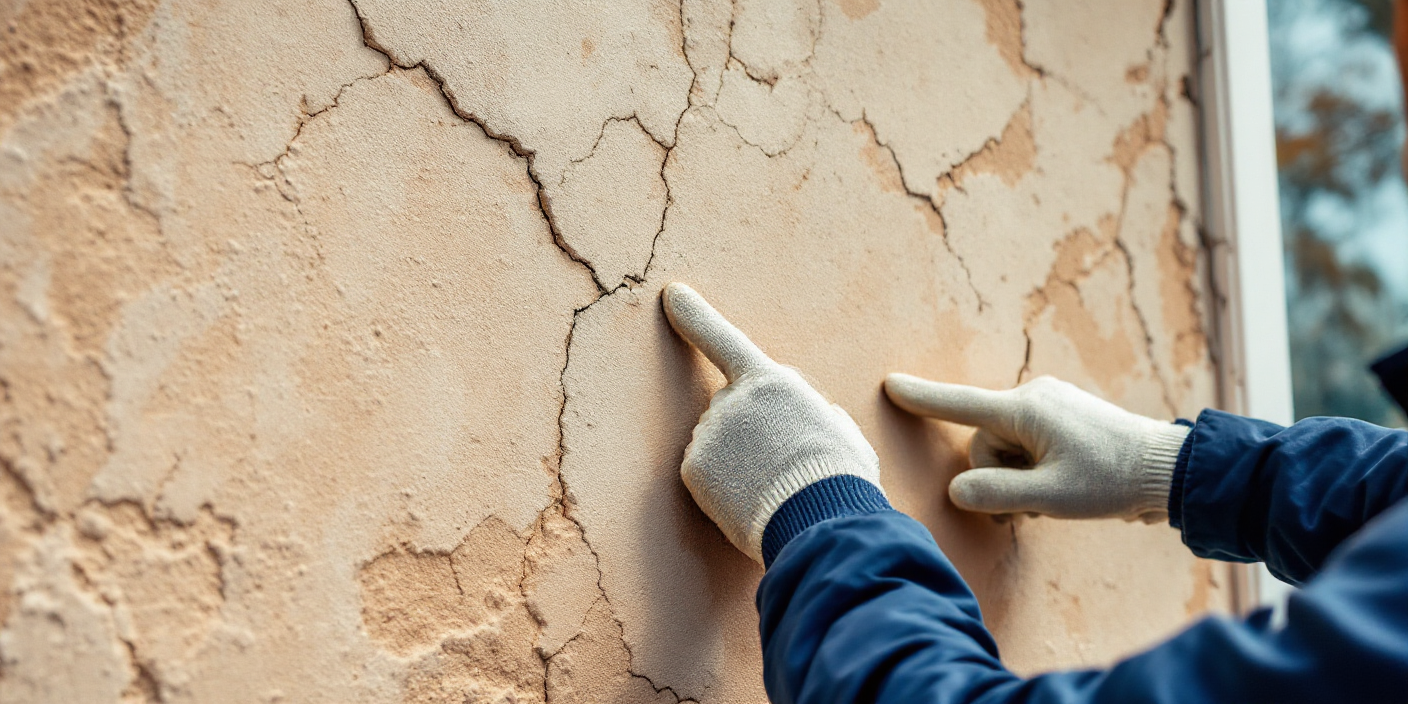
The winter stucco failure pattern
- hairline cracks open wider with thermal movement
- failed sealant at windows/doors lets water behind the wall
- moisture becomes trapped and shows up as bubbling, soft spots, or staining
What professional stucco repair should include
1) Identify the water pathway
- cracks, joints, transitions, and penetrations
- window/door perimeter sealant condition
- vulnerable edges where stucco meets other materials
2) Repair the detail, not just the surface
- correct prep (clean, stable substrate)
- compatible repair materials
- sealed transitions and control points
3) Blend the finish properly
A good patch shouldn’t scream “patch.” Texture and finish alignment matter.
Stucco services we provide
- crack repair + sealing
- targeted remediation strategy
- sealant replacement at transitions
- patch blending and finish correction
- waterproofing-oriented repairs
- moisture inspection support (when needed)
Neighborhood service areas
Fishtown, South Philly, Kensington, Port Richmond, Northern Liberties, Center City, West Philly, Northeast Philly.
FAQ
Do cracks always mean water damage? Not always, but they can become water pathways.
Can you patch in winter? Often yes—depending on conditions and materials.
Why does bubbling happen? Moisture movement and trapped water behind the finish.
Is sealing windows part of stucco repair? Frequently—transitions are common failure points.
How do I prevent repeats? Fix sealant lines and transitions, not just the visible crack.