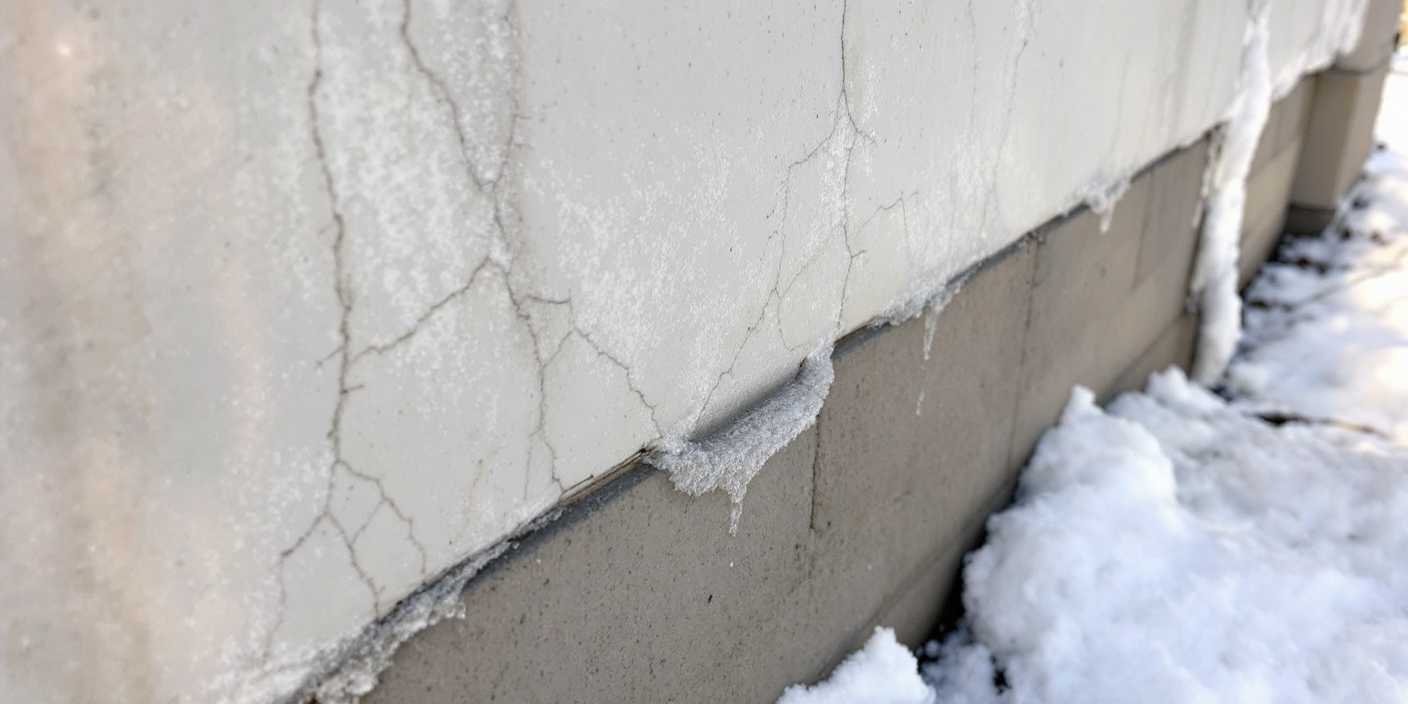
In Philadelphia, winter doesn’t create stucco problems—it exposes them. A crack you can see is often just the symptom of the real issue: water traveling behind the wall system through failed sealants, weak flashing, and bad transitions.
Philadelphia Stucco Experts has been publishing winter-focused guidance that makes one point clear: the goal isn’t a “pretty patch,” it’s stopping water movement behind the stucco.
The “Moisture Path” approach (what a real repair includes)
Instead of starting with the crack, start with the water route:
- Identify entry points (windows/doors, roof-to-wall, penetrations)
- Check for bubbling, staining, soft spots, and recurring interior moisture
- Repair with compatible materials + correct detailing
- Rebuild transitions so the wall sheds water instead of trapping it
10 stucco services (service-first)
- Stucco crack repair (correct method, not cosmetic patching)
- Stucco remediation planning (when moisture is trapped)
- Sealant joint replacement at critical transitions
- Window/door perimeter waterproofing support
- Flashing detail correction support (entry-point control)
- Texture matching + finish blending
- Moisture symptom assessment (staining, bubbling, delamination)
- Stucco waterproofing strategy (targeted, not “blanket”)
- Exterior wall inspection-first consults
- Preventative maintenance plan for vulnerable elevations
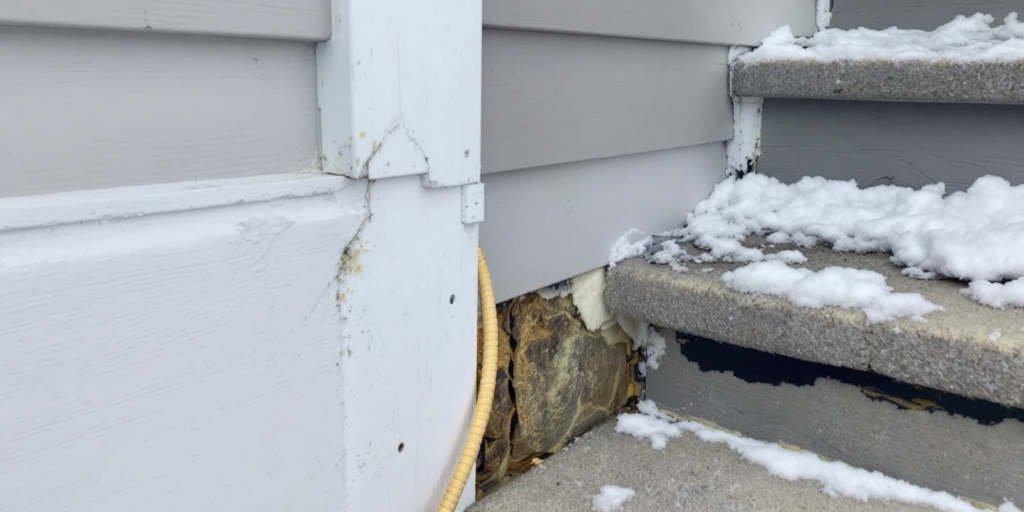
- Winter cracks article: https://philadelphiastuccoexperts.com/stucco-repair-philadelphia-why-winter-cracks-become-moisture-problems/
- “Near me” variant (use for internal linking diversity): https://philadelphiastuccoexperts.com/stucco-repair-near-me-in-philadelphia-why-winter-cracks-become-moisture-problems/
- Alternate newer post: https://philadelphiastuccoexperts.com/stucco-repair-in-philadelphia-why-winter-cracks-turn-into-moisture-problems-2/
Philadelphia contractor verification: https://www.phila.gov/services/permits-violations-licenses/find-a-licensed-contractor-and-contractor-information/